Energy Dividends: Trump Proposes AI Data Centers Return Power to Grid
A new federal proposal would require AI infrastructure projects to direct surplus power to local residents to offset rising utility rates.
By Ken Adams ·
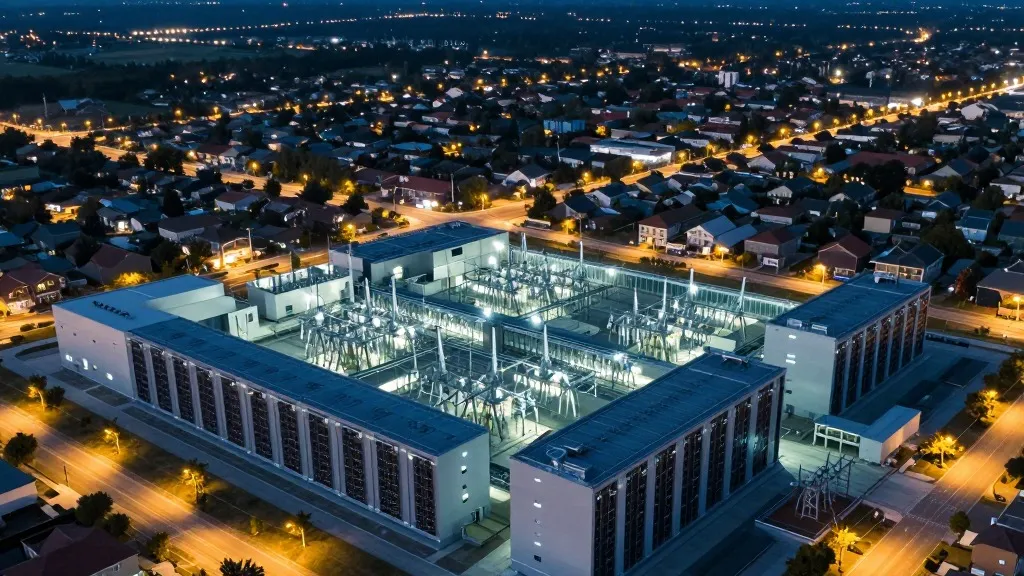
Communities across the nation have increasingly pushed back against the rapid expansion of artificial intelligence infrastructure, citing surging electricity bills and environmental concerns. In an attempt to address these grievances, the federal government has proposed a new mandate designed to compel high-tech facilities to share their resources with the public. The directive focuses on the intersection of energy generation and community welfare.
The proposal requires data center builders and major AI companies to pay a dividend to local communities, a move intended to prevent increases in energy prices or even reduce costs. This initiative builds upon previous directives requiring these facilities to generate their own electricity. Under the new plan, any surplus energy produced by these installations must be either given or sold back to the local grid, rather than kept entirely for the facility's own use.
Throughout the United States, local groups have protested the construction of AI data centers due to their significant impact on surrounding areas. Concerns frequently voiced include rising electricity costs, noise pollution, water shortages, air pollution, and deforestation. Small communities often bear the brunt of these issues as large technology companies seek to expand their computational capabilities.
The administration aims to remain competitive in the global AI race while simultaneously addressing domestic economic concerns. The strategy involves requiring these large corporations to provide something tangible to the communities they affect. While the practical implementation of such payments remains to be seen, the focus on energy suggests the dividend could take the form of subsidizing rising electricity costs for local residents.
Recent legislation has also ordered data centers to shoulder the cost for grid upgrades, preventing local taxes from being used for infrastructure improvements associated with these projects. The combination of generating power and returning excess to the grid is presented as a solution to alleviate financial pain points for nearby households. The goal is to make the presence of these facilities more palatable to the public.
President Trump addressed the topic on Truth Social, stating, “Data Centers that were highly unpopular in a certain area have become extremely popular when a financial deal is struck.” He concluded his message by emphasizing the need to “MAKE DEALS, and get them built!!!” The post reiterated the requirement for facilities to produce their own power and return the surplus to the community.
It remains uncertain whether financial incentives will be sufficient to gain community approval. The economic aspect represents only one facet of the problem. Significant water consumption, ecological damage, and pollution continue to pose major hurdles for the construction of AI data centers in many locations.
Future steps involve determining how these dividends will be practically administered and whether they will satisfy local residents. The administration is moving forward with plans to accelerate construction while attempting to mitigate the negative externalities associated with such large-scale infrastructure projects.
Source: Tom's Hardware